- What is Entrepreneurship in El Salvador and Why is it Growing?
- Current Landscape of Entrepreneurship in El Salvador
- Types of Entrepreneurship in El Salvador
- Profitable Entrepreneurship in El Salvador for 2026
- Entrepreneurship Ideas in El Salvador with Low Investment
- Digital Entrepreneurship: Online Opportunities
- Sectors with the Highest Potential for Entrepreneurship in El Salvador
- Success Stories of Entrepreneurship in El Salvador
- Carvi: An Example of Innovative Entrepreneurship in El Salvador
- How to Start a Business in El Salvador Step by Step
- Support, Programs, and Financing for Entrepreneurship in El Salvador
- Challenges of Entrepreneurship in El Salvador
- Key Tips for Your Entrepreneurship in El Salvador to Succeed
- Your Moment is Now
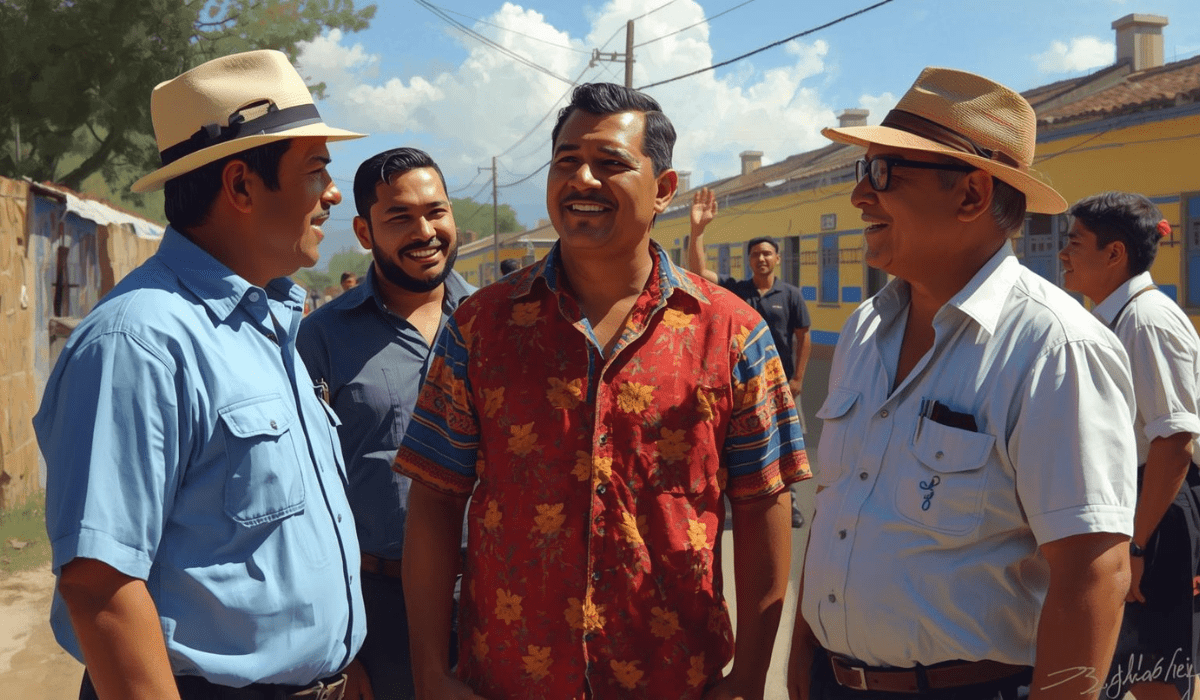
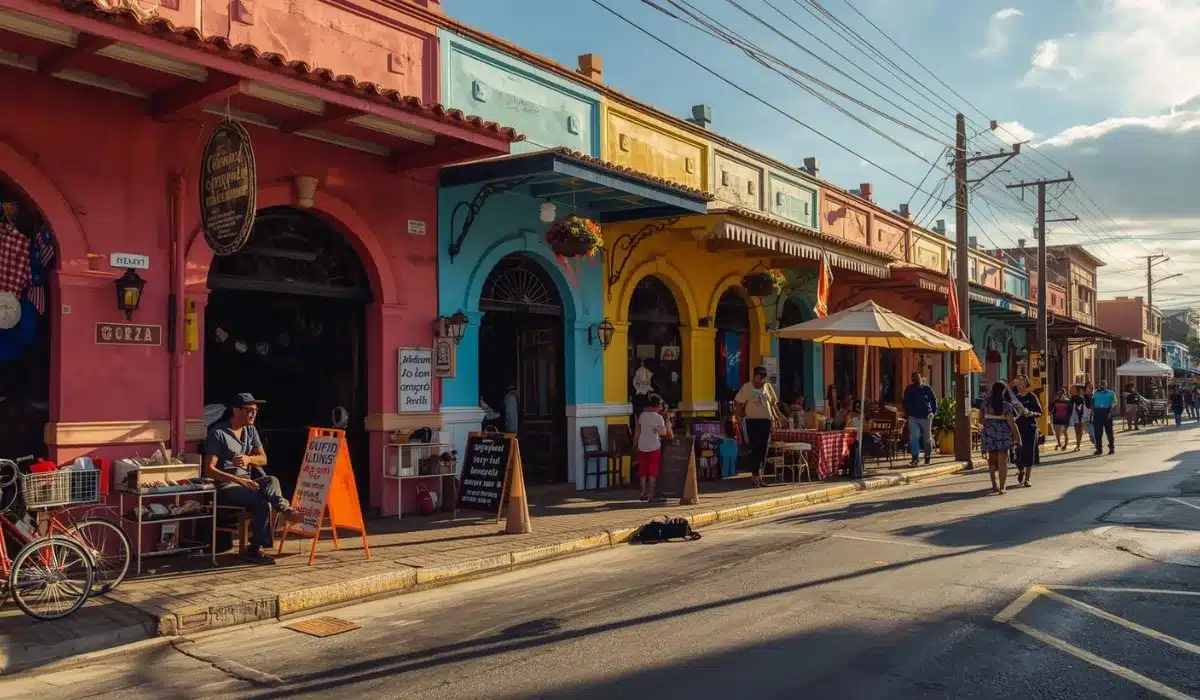
El Salvador finds itself at a historic inflection point for entrepreneurship. After consolidating unprecedented peace and security, with homicide rates at historic lows, the country has transformed its international narrative and built the perfect foundation for economic development. This new scenario combines in 2026 with a record tourism boom, a clear governmental commitment to digitization, and a macroeconomic environment projecting growth. Entrepreneurship in El Salvador is no longer an alternative but a powerful path to turn stability into tangible prosperity.
This comprehensive guide will take you through the current landscape, the sectors with the highest potential, inspiring success stories, and the practical steps to launch and grow your project. You will discover that, more than ever, 2026 is shaping up as the “year of new opportunities” for Salvadoran entrepreneurs.
What is Entrepreneurship in El Salvador and Why is it Growing?
In the current context, entrepreneurship in El Salvador is defined as productive initiatives that emerge to capitalize on the unique opportunities of the moment: an expanding tourism sector, an economy in accelerated digitization, and a growing demand for sustainability. The profile of the Salvadoran entrepreneur is diverse, ranging from tech-savvy youth to returning migrants applying knowledge acquired abroad.
This growth is driven by several key factors:
- Digitization as a State Policy: The theme of the 2026 World Tourism Day, for which El Salvador is the host, is “Digital Agenda and Artificial Intelligence to Redesign Tourism,” indicating a national priority that opens cross-sector opportunities.
- The Tourism Engine: With over 4 million visitors in 2025 and a goal of 4.2 million for 2026, tourism injects capital and energizes dozens of related sectors, from food to professional services.
- Macroeconomic Stability and Favorable Costs: A fall in international oil and some food prices is projected for 2026, which may reduce operational costs for many businesses.

Current Landscape of Entrepreneurship in El Salvador
The Salvadoran economy shows a clear transition. According to the Labor Demand Survey (ENDEL), more than 83% of medium and large companies plan to hire in 2026, creating a dynamic ecosystem with over 28,500 projected vacancies. This dynamism is fueled by innovation: 67.5% of companies are adopting technologies like artificial intelligence and automation.
The distinction between traditional and digital entrepreneurship is blurring. Today, a family inn on the Ruta de las Flores needs a strong social media presence and an online booking system, while a software developer can create solutions for the local agro-industry. The most marked trend for 2026 is, without a doubt, the intersection between the physical and the digital, and the increasing value placed on sustainability and authentic experience.
Types of Entrepreneurship in El Salvador
The ecosystem is rich and varied. Here is a practical classification:
- Traditional Entrepreneurship: Still vital, but evolving. Includes local shops, workshops, restaurants, and personal services that now incorporate digital tools for marketing, sales, and management.
- Digital Entrepreneurship: The fastest-growing sector. Encompasses everything from digital marketing agencies and e-commerce to software (SaaS) development for SMEs and the creation of online educational content.
- Social and Sustainable Entrepreneurship: Models that prioritize positive impact. Examples are businesses dealing with eco-friendly products, recycling, distributed solar energy, and agro-industry with fair trade certifications.
- Technological Entrepreneurship (Startups): Focus on scalable innovation. The emblematic case is Carvi, a collaborative platform, but it also includes startups in fintech, edtech, and logistics solutions.
Profitable Entrepreneurship in El Salvador for 2026
Profitability is linked to the ability to connect with the engines of the economy. The models with the highest potential are those that cater to the international tourist, solve efficiency problems for SMEs with technology, or respond to the demand for high-value and sustainable products.
| Sector | Main Opportunity | Key Drivers / 2026 Data | Investment Level & Considerations |
|---|---|---|---|
| Tourism & Hospitality | Personalized experiences, vacation property management (Airbnb), boutique lodging. | Host of UN World Tourism Day. Goal of 4.2M visitors. Budget of +$33M in projects. | Medium-High. Requires differentiation and service quality. |
| Digital Economy | B2B services (software, marketing), collaborative platforms, online education. | Official tourism theme focused on AI and digitization. Tourism growth demands digital services. | Low-Medium. Global competition, needs constant innovation. |
| Renewable Energy | Distributed generation (solar panels + batteries) for homes and SMEs. | Investment recovery in 2.8 to 5 years. 30% increase in traditional energy costs (2024). | Moderate-High. Requires technical knowledge and certifications. |
| Agro-Industry with Value | Specialty coffee and cocoa, processed products (jams, snacks), export brands. | Host country of the Producer Roaster Forum (PRF) 2026, the world’s main coffee forum. | Medium. Climate vulnerability. Requires access to niche markets. |
Entrepreneurship Ideas in El Salvador with Low Investment
Capital should not be a barrier. Digitization has opened a world of low-cost possibilities:
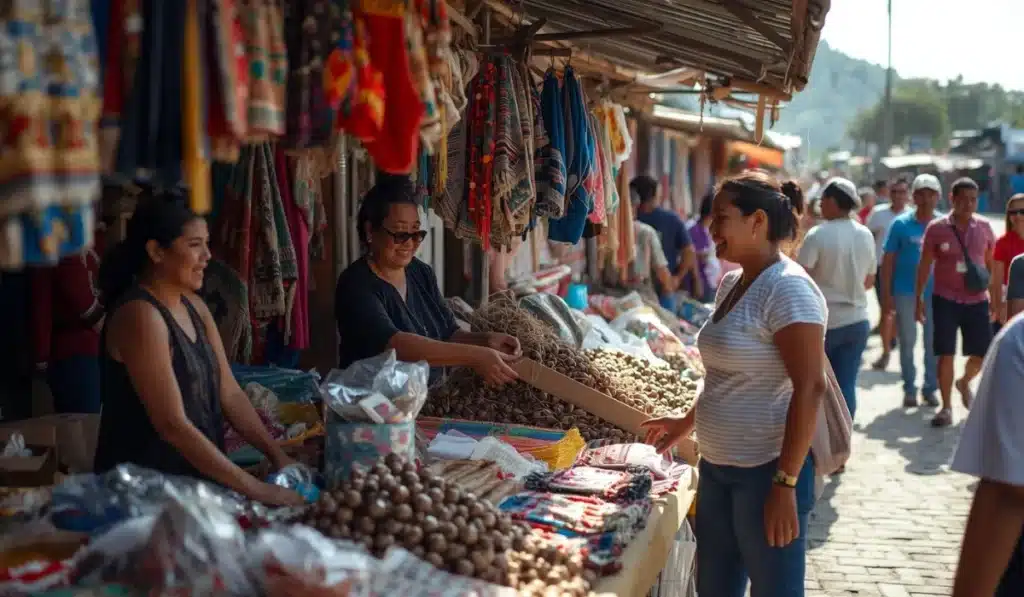
- Professional Services and Freelancing: Social media management, content writing, graphic design, web development, translation, virtual assistance. Specialization is key.
- Light E-commerce: Sale of handmade, local, or niche products through Instagram, Facebook Marketplace, or a simple Shopify store. Dropshipping is also a viable option.
- Personal and Home Services: Elderly or child care, pet walking, home or office cleaning, minor event organization. They are based on trust and referrals.
- Education and Practical Training: Offering academic tutoring, language classes, personal finance workshops, or online courses on specific skills you possess.
Digital Entrepreneurship: Online Opportunities
This is the most dynamic playing field. Opportunities are divided into:
- Digital Marketing and Content Creation: Companies need visibility. Services like SEO, online community management, video production, and content strategies are essential.
- E-commerce: Goes beyond selling products. Includes creating specialized marketplaces, e-commerce logistics solutions, or subscriptions to boxes of local products.
- Software, Apps, and Platforms: Developing Software as a Service (SaaS) to solve local problems in sectors like retail, health, or logistics. Apps for tourism (guides, experience bookings) have great potential.
- Technology Services for Businesses: Process automation, basic cybersecurity for SMEs, digital transformation consulting, and implementation of business intelligence tools.
Sectors with the Highest Potential for Entrepreneurship in El Salvador
Market analysis and official projections highlight these fields:
- Tourism and Mobility: The main engine. Opportunities in specialized guides, executive transport, sports equipment rental, and services for “digital nomads.”
- Technology and Digital Economy: Every business needs a digital partner. From IT agencies to chatbot development for customer service.
- Education and Online Training: Gaps in digital skills, languages, and technical trades create a fertile market for educational platforms and practical courses.
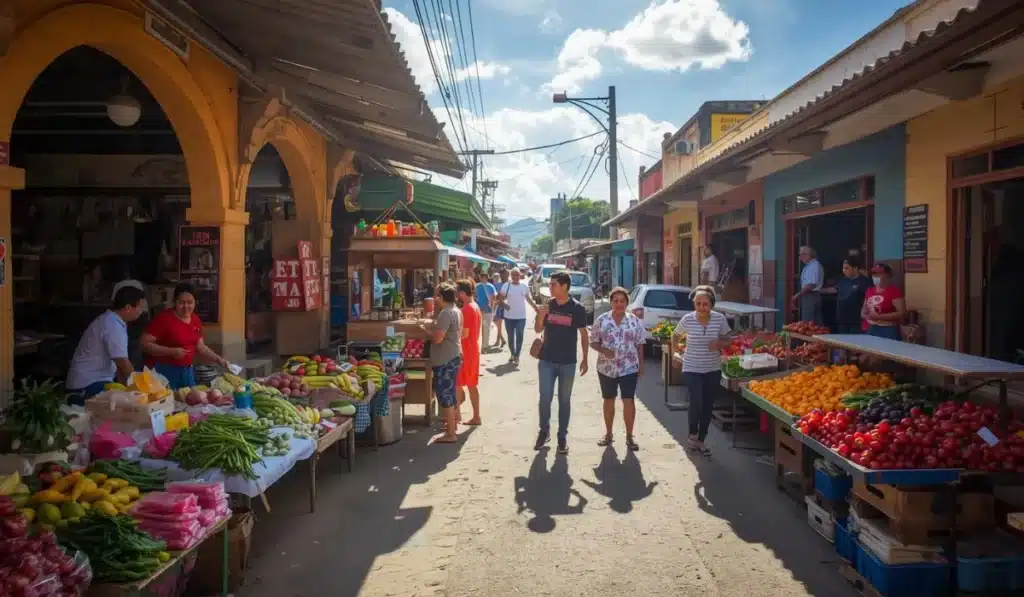
- Food and Local Products: Consumers and tourists seek authenticity and quality. Brands for coffee, cocoa, healthy snacks, and fusion cuisine are in high demand.
- Professional Services: Growing sectors like construction, real estate, and retail need support services: legal consulting, administrative management, interior design.
Success Stories of Entrepreneurship in El Salvador
Learning from those who have already walked the path is invaluable. Successful entrepreneurship in El Salvador often shares key characteristics:
- They Solve a Local Problem with an Innovative Approach: They identify a market friction and solve it simply.
- They Leverage Technology: They use digital tools to be more efficient, scalable, and reach their audience.
- They Have a Clear Purpose: Whether it’s generating social impact, promoting sustainability, or elevating the quality of a traditional service.
Inspiring Examples:
- Elmo’s Tools: Entrepreneurship by Elmer Zañas, a returning migrant, who transforms waste materials into vintage-design furniture and accessories with innovative design, combining techniques learned abroad with local creativity.
- Electricity and Automation Services: José García certified his competencies and now specializes in efficient electrical systems and home automation (“smart homes”), responding to the demand for energy savings and comfort.
- Fusion Cuisine: René Aguilar applies international techniques and flavors learned in the U.S. to offer a fast, quality gastronomic proposition, with plans to scale to a restaurant.
Carvi: An Example of Innovative Entrepreneurship in El Salvador
Carvi has established itself as the most emblematic success story of the collaborative economy in El Salvador. It functions as the “Airbnb for cars,” allowing individuals to rent their vehicles to tourists and locals safely and in a regulated manner.
Why is it a success story?
- It Optimizes an Underutilized Asset: It turns a car that spends most of its time parked into a source of passive income for its owner.
- It Solves a Market Need: Meets the growing demand for mobility from international tourists, offering a more personalized and often more economical alternative than traditional agencies.
- It Creates an Ecosystem: Generates businesses around it: professional car cleaning services, mechanical maintenance, specialized insurance, and fleet management.
- It is Scalable and Technological: Its digital platform is the core of the business, allowing for rapid growth with an agile structure.
Lesson for Entrepreneurs: Carvi showed that by observing global trends (collaborative economy) and the specific local context (tourism boom + transportation need), one can build a disruptive and highly profitable business model. Its success lies in impeccable execution, trust, and a deep understanding of the customer.
How to Start a Business in El Salvador Step by Step
- Identification and Validation: Don’t just fall in love with the idea. Research if there is a real market willing to pay for your solution. Talk to potential customers.
- Planning and Business Model: Define your value proposition. Use the “Business Model Canvas” to clearly outline how you will create, deliver, and capture value.
- Basic Legal and Operational Aspects:
- Structure: Decide whether to operate as a Sole Proprietorship or incorporate a Company (e.g., Limited Liability Company).
- Procedures: Registration with the Commercial Registry, obtaining a Tax Identification Number (NIT), and municipal and health permits according to your activity.
- Taxation: Companies pay Corporate Income Tax (ISR) (25% for annual income up to $150,000; 30% for higher amounts) and general VAT of 13%. Foreign-source income for individuals is generally not taxed.
Support, Programs, and Financing for Entrepreneurship in El Salvador
You are not alone. There is a growing support ecosystem:
- Chamber of Commerce and Industry of El Salvador (CAMARASAL): Offers the “EmprendES” program, which includes everything from awareness and validation workshops (Bootcamp) to incubation and connection with investment for startups. It also has the “Escala Program” to empower women-led businesses with expert mentors.
- Ministry of Labor and Social Welfare (MTPS): Manages a Support Program for Entrepreneurship that organizes business meetings for micro-entrepreneurs, facilitating the sale of their products and services.
- Non-Governmental Organizations: Swisscontact and World Vision execute training projects, competency certification, and business acceleration for specific groups, such as youth and returning migrants.
- Financing: In addition to the traditional banking system, it is key to explore seed capital, angel investors linked to contests like EmprendES, and funds focused on innovation.
Challenges of Entrepreneurship in El Salvador
Entrepreneurship involves obstacles. Recognizing them is the first step to overcoming them:
- Access to Financing: Remains one of the main barriers. Many initial ventures do not qualify for traditional bank loans.
- Financial and Business Education: Lack of knowledge in financial management, planning, and marketing can lead good ideas to failure.
- Mindset and Persistence: Overcoming the fear of failure and the search for immediate results is crucial. Consistency and adaptability are vital.
- Competition and Differentiation: In popular sectors, standing out requires a unique value proposition and excellent execution.
Key Tips for Your Entrepreneurship in El Salvador to Succeed
- Focus on a Specific Niche: It’s better to be the best at something small than mediocre at something big. Specialize.
- Digitize from Day One: Use free or low-cost digital tools for management, accounting, marketing, and sales. Your online presence is your main storefront.
- The Customer is the Center: Listen to their feedback constantly and adapt your product or service. Loyalty is built with exceptional attention.
- Leverage Support and Networks: Participate in events, contests, and mentorship programs. Networking can open unexpected doors.
- Plan and Measure: Separate your personal finances from business finances. Keep track of your key numbers and make decisions based on data, not assumptions.
Your Moment is Now
The outlook for entrepreneurship in El Salvador in 2026 is exceptionally promising. The conditions of security, the tourism push, the digital transition, and the growing focus on sustainability converge to create fertile ground for innovative ideas. From a modest digital service from home to an ambitious tech startup, the opportunities are real and diverse.
The path of entrepreneurship requires dedication, continuous learning, and resilience, but the fruits—financial independence, job creation, and contribution to the country’s development—are worth the effort. 2026 is not just another year on the calendar; it is an invitation to act, to create, and to be part of the economic transformation of El Salvador.
Do you have an idea? Start today. Validate it, seek information in the mentioned programs, and take the first step. The future of entrepreneurship in El Salvador is built by people like you.
Share this content: