- Introduction: The Potential of Tourism Business Models in El Salvador
- What Are Tourism Business Models and Why Are They Key for Entrepreneurship?
- Current Panorama of Tourism in El Salvador
- Traditional Tourism Business Models in El Salvador
- Alternative Accommodation Businesses and New Forms of Lodging
- Tourism Business Models Based on Experiences
- Transport and Mobility as a Tourism Business Model
- Digital Entrepreneurship Applied to Tourism
- Financing and Legal Aspects: Your Operational Foundations
- Conclusion: The Future of Tourism Business Models in El Salvador
Tourism in El Salvador has solidified as one of the most dynamic pillars of its economy. In 2023 alone, the country received 3.3 million international visitors, with the sector contributing an estimated economic impact of $3.6 billion. This growth, backed by a national promotion strategy and improved security, has transformed the country into a premier emerging destination in Central America. For entrepreneurs, this moment represents an unprecedented opportunity to create successful businesses. This guide provides a detailed map to navigate this expanding landscape, from understanding the market to the legal and financial implementation of your idea.
Introduction: The Potential of Tourism Business Models in El Salvador
El Salvador is experiencing a tourism renaissance. After surpassing 96% of pre-pandemic visitor levels in 2022, projections indicate sustained growth. The government has prioritized the sector through infrastructure investments, aggressive international promotion, and the development of flagship projects like Surf City. For an entrepreneur, this translates into a receptive ecosystem with growing demand and tangible institutional support. Here, you will learn how to identify your niche, structure your operation, and leverage available resources to build a prosperous and sustainable tourism business.
What Are Tourism Business Models and Why Are They Key for Entrepreneurship?
A tourism business model is the plan that defines how your company creates, delivers, and captures value within the sector. It goes beyond offering a service (like a room or a tour); it is the architecture of how you will be profitable and competitive.
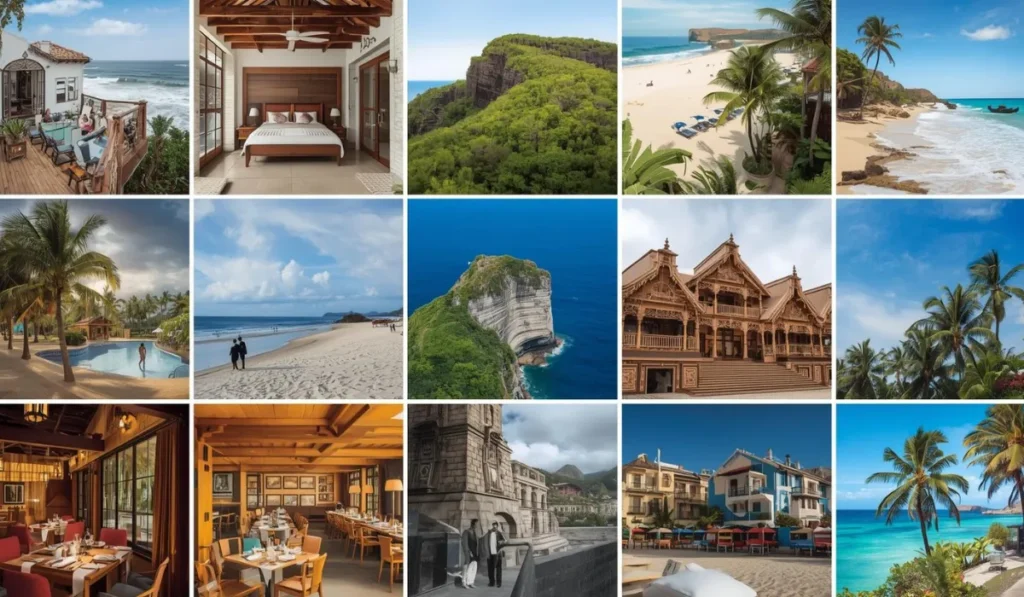
Choosing the right model is critical, as it determines your initial investment, operating costs, target audience, and scalability. In the Salvadoran context, a successful model must adapt to the specific characteristics of the local and international market, which includes a marked seasonality with high peaks in December and holiday periods.
Current Panorama of Tourism in El Salvador
Main Destinations and Tourist Profile
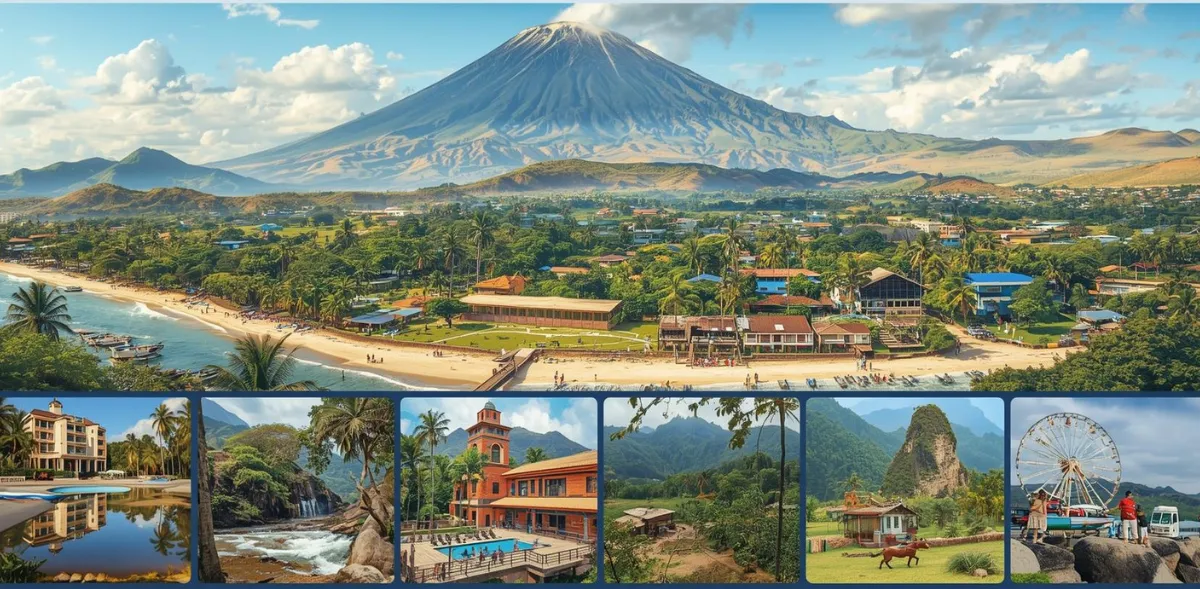
The country offers a mosaic of destinations: the beaches of La Libertad for surfing, cultural towns like Suchitoto and the Ruta de las Flores, the imposing volcanoes, and the urban offerings of San Salvador. The current tourist is diverse: from the international surfer seeking world-class waves, to the regional Central American tourist and the Salvadoran residing abroad, who is a crucial segment during the high season.
Trends Defining the Market
Three dominant trends:
- Experience Tourism: Travelers seek authenticity. Spending on gastronomy is proof, representing 36% of the daily expenditure of an international tourist.
- Sustainability and Ecotourism: Demand is growing for accommodations and tours with verifiable ecological practices.
- Digitalization: From online bookings to managing reputation on platforms like TripAdvisor, technology is indispensable.
Traditional Tourism Business Models in El Salvador
Hotels, Hostels, and Inns
They remain the backbone of accommodation. The key for new ventures is differentiation. While urban hotels can capitalize on massive events (San Salvador reached 100% occupancy during Miss Universe), hostels in adventure destinations can focus on community and budget. Investment varies from moderate for a small hostel to very high for a boutique hotel.
Travel Agencies and Tour Operators
This model has evolved from in-person to digital and specialized. It is no longer just about selling tickets, but about designing unique experiences: surf tours, coffee packages on the Ruta de las Flores, or historical itineraries. Specialization reduces competition with large international platforms.
Tourism-Oriented Restaurants
With 36% of tourist spending allocated to food, this is a sector with enormous potential. Success lies not only in quality but in the gastronomic experience. Restaurants offering cooking classes, local food markets, or tastings of typical products with a cultural narrative can capture greater value.
Alternative Accommodation Businesses and New Forms of Lodging
Vacation Rentals and Digital Platforms
A model with a low initial entry barrier that allows owners to monetize properties. Management can be direct or through intermediaries. It is crucial to understand local regulations and offer reliable service with personal touches that surpass the standard hotel experience.
Eco-Lodges and Rural Tourism
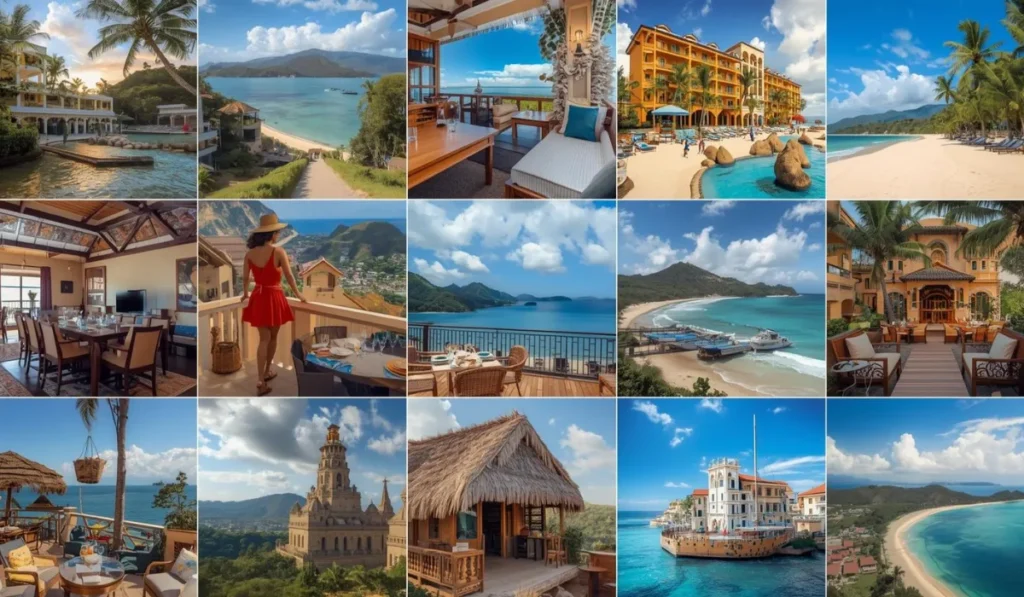
Directly responds to the sustainability trend. A successful eco-lodge integrates with the natural environment, uses ecological construction and operational practices, and involves the local community, whether through employment or sourcing. This model attracts tourists willing to pay more for a stay with purpose.
Glamping and Experiential Accommodations
Combines contact with nature and comfort. It is ideal for scenic environments like volcano slopes, lakeshores, or forests. The investment is significant, but the average nightly rate is also high, offering good profitability if located and marketed correctly.
Tourism Business Models Based on Experiences
Community Tourism
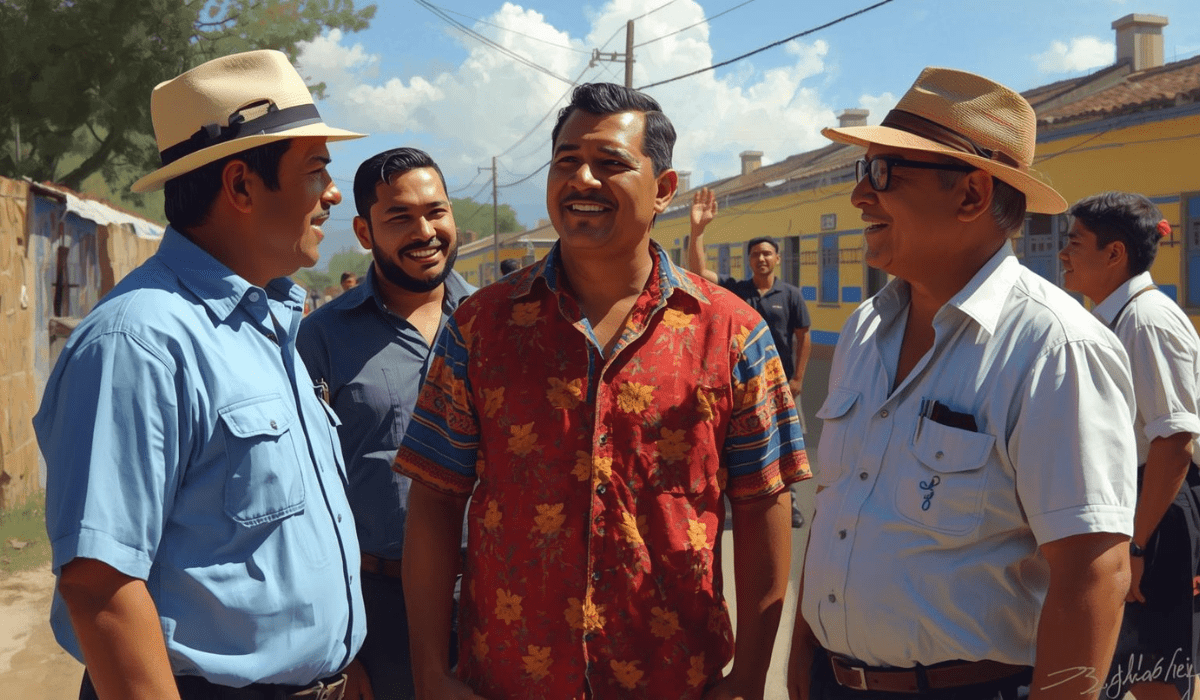
This is one of the models with the greatest social impact and authenticity. Companies like Suchitoto Ecotours are a brilliant example. They offer unique experiences (like a walk along the “Guerrilla Route” with a former combatant) and the value chain directly benefits local guides, chefs, and artists from the community. This model builds loyalty and generates powerful marketing stories.
Cultural, Gastronomic, and Adventure Tours
- Cultural/Historical: Focused on heritage, from Joya de Cerén to the historic centers of cities like Santa Ana.
- Gastronomic: Capitalizes on high spending on food. This can include coffee routes, pupusería tours, or cacao experiences.
- Adventure: El Salvador is a paradise for surfing, volcanic hiking, canopy, and more. Organization and safety are the absolute pillars of this model.
Transport and Mobility as a Tourism Business Model
Reliable transportation is a critical need for tourists. Viable models include private shuttle services between airports and key tourist destinations, specialized vehicle rentals (like 4x4s for volcanic terrain or vans for groups), and tours with included transportation. Punctuality, safety, and a well-maintained fleet are key competitive differentiators.
Digital Entrepreneurship Applied to Tourism
Technology is the great enabler. More than an isolated model, it is a cross-cutting component for any modern tourism business:
- Marketplaces and Apps: Platforms that group and promote experiences from local providers, especially in less connected regions.
- Digital Marketing and Reputation Management: Mastering local SEO, maintaining an active presence on social media, and strategically managing reviews on TripAdvisor and Google is essential for visibility.
Financing and Legal Aspects: Your Operational Foundations
Access to Credit: The PROMITUR Program
To materialize your idea, financing is key. The Regional Program for Competitiveness and Sustainability for Tourism MSMEs (PROMITUR), promoted by the CABEI, is a tool specifically designed for the sector.
- Amount: From USD $3,000 up to $1,000,000.
- Term: Up to 10 years for fixed assets.
- Purpose: Working capital, infrastructure improvement, development of new products.
- How to Apply: Through intermediary financial institutions such as Banco Hipotecario and Banco Promerica. CONAMYPE provides technical assistance to applicants.
Legal Framework: The Operating License
Operating legally is non-negotiable. The first step is to obtain the tourism operating license or permit, granted by the Ministry of Tourism (MITUR). The general process involves:
- Submitting a formal application detailing the business.
- Complying with all training requirements, quality standards, and specific regulations.
- Paying corresponding fees.
- Crucial Recommendation: Always consult the specific and updated requirements directly on the official MITUR website or through its service channels.
Conclusion: The Future of Tourism Business Models in El Salvador
The future of tourism in El Salvador is bright and marked by experience, sustainability, and technology. The entrepreneurs who will succeed will be those who:
- Choose a model with purpose that aligns with trends and solves a specific need of the modern traveler.
- Integrate authenticity into their value proposition, whether through community ties, gastronomy, or history.
- Leverage available tools, from financing programs like PROMITUR to digital platforms for marketing and sales.
- Operate formally from day one, complying with all legal and quality requirements.
The time to build the next tourism success story in El Salvador is now. The market is receptive, destinations are on the world map, and resources are available for those with a clear idea and the determination to execute it.
Share this content: