- Why Invest in Tourism in El Salvador?
- Current Landscape of Tourism in El Salvador
- Advantages of Investing in Tourism in El Salvador
- Most Profitable Types of Tourism Investments
- Areas with the Greatest Tourism Potential for Investing in El Salvador
- Real Estate Investment Focused on Tourism
- The Importance of Digitalization in Tourism Businesses
- How Carvi Boosts Tourism Businesses in El Salvador
- Legal Requirements for Investing in Tourism in El Salvador
- How Much Capital is Needed to Invest in Tourism?
- Risks and Challenges When Investing in Tourism in El Salvador
- Key Tips for Investing in Tourism Successfully
- Future Opportunities for Tourism in El Salvador
- Conclusion: Investing in Tourism in El Salvador with a Vision for the Future
Investing in tourism in El Salvador is a strategic opportunity, backed by record-breaking sector growth and clear governmental commitment. The country has not only surpassed 3.4 million international visitors and generated tourism revenues exceeding USD 3,700 million in 2023, but it was also recognized by the UN as the third country with the highest tourism growth worldwide between 2019 and 2024.
One of the most important but often overlooked drivers of tourism satisfaction and investment return is seamless mobility. Tourists want freedom to explore, reliable transportation, and a booking experience that is fast and digital. That’s where Carvi comes in — an easy-to-use platform that lets visitors rent cars online in minutes without hassles, deposits, or long paperwork.
Providing better mobility enhances visitor experience and boosts the appeal of tourism investments in El Salvador.
🔹 Explore how Carvi improves tourist mobility
Why Invest in Tourism in El Salvador?
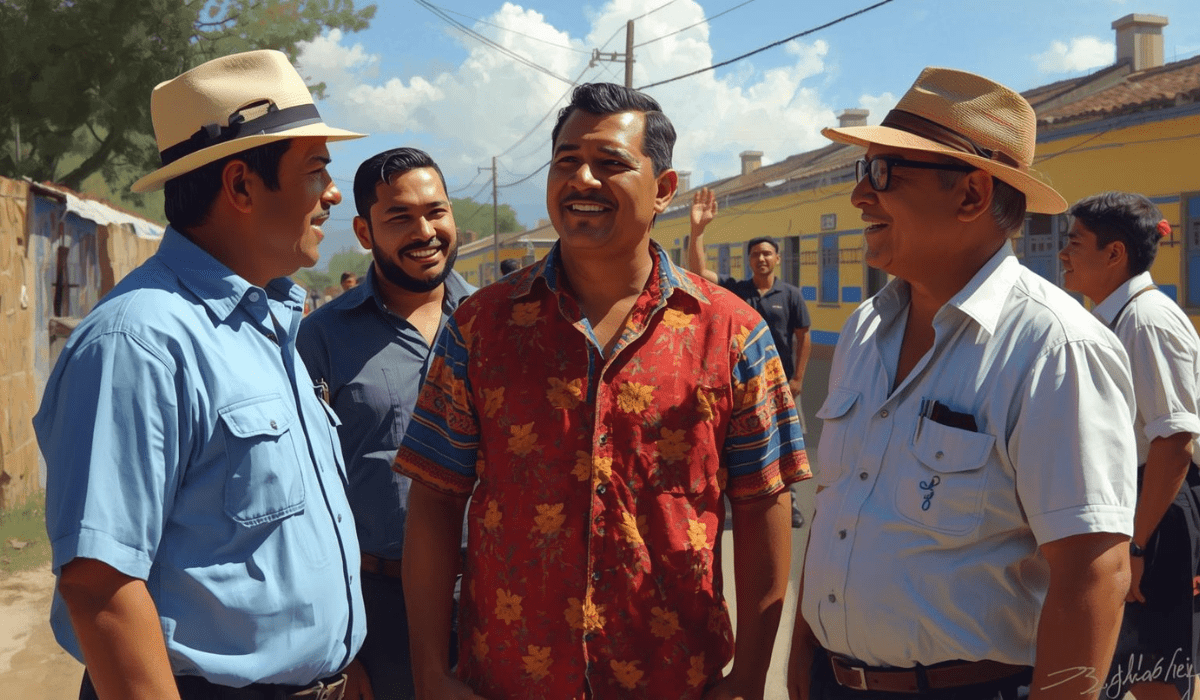
El Salvador is undergoing a historic transformation that positions it as an emerging and safe destination in Central America. Following the pandemic, the country experienced a 33% tourism recovery in 2023, a figure that reflects exceptional dynamism.
The current context is marked by political and economic stability, substantial improvements in security that are a regional benchmark, and foreign direct investment that reached USD 760 million in 2023. This environment has sparked unprecedented interest from major international hotel chains—such as Hilton, Hyatt, Barceló, and Sheraton—that are already operating successfully in the country.
Current Landscape of Tourism in El Salvador
The Salvadoran tourism sector has shown extraordinary evolution in recent years. According to official data, the country received over 3.4 million international visitors in 2023, with 33% growth compared to the previous year. Beyond the numbers, these tourists are characterized by a high average spending (USD 1,280 per person) and one of the longest average stays in the world: 11 nights.
The tourist profile is diverse: from surfers attracted by world-class waves, to business travelers leveraging the country’s consolidation as a logistics hub, and ecotourists interested in volcanoes, mountains, and coffee culture. This varied profile mitigates the risks of dependence on a single market. The economic impact is clear: tourism is already one of the main generators of foreign currency and employment, boosting local economies in coastal, rural, and urban destinations.
Advantages of Investing in Tourism in El Salvador
- Strategic Location: With a Pacific coast and proximity to key markets in North and Central America, El Salvador is a natural gateway.
- Security and International Perception: Implemented security policies have been fundamental in changing the country’s image and making it a reliable destination. The existence of a specialized Tourism Police (POLITUR), with 23 stations nationwide, provides additional security for visitors and businesses.
- Competitive Operational Costs: It offers an attractive quality-cost ratio in labor, services, and construction.
- Attractive Legal Framework: The Tourism Law offers substantial tax incentives for qualified projects, including a 10-year income tax exemption.
- Commitment to Sustainability: The government and private sector align investments with the UN’s Sustainable Development Goals, an increasingly important value for the global tourist.
Most Profitable Types of Tourism Investments
The range of opportunities is broad and aligns with natural strengths and market demand.
Hotels, Hostels, and Boutique Hotels
Demand exceeds supply in several segments. There is a clear opportunity for business hotels in San Salvador, where the average weekday occupancy is 95%. On the coast, the boom in surfing and leisure tourism creates an ideal market for boutique hotels and resorts focused on premium experiences.
Vacation Rentals and Airbnb
The growing influx of tourists, especially on the coast of La Libertad (Surf City) and in picturesque towns like those on the Ruta de las Flores, has energized this market. It is a model with relatively low barriers to entry and high flexibility.
Restaurants, Cafés, and Tourist Bars
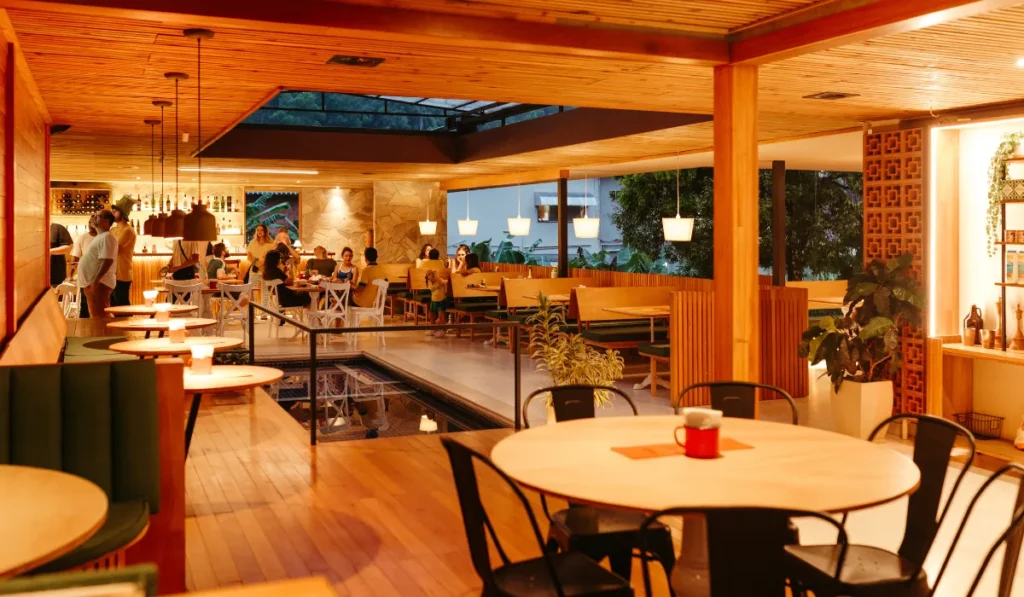
Gastronomy is a pillar of the Salvadoran tourist experience. There is room for innovative concepts that revive local cuisine with a contemporary focus, as well as international offerings to cater to an increasingly diverse tourism.
Experiences, Tours, and Adventure Tourism
Beyond sun and beach, there is unsatisfied demand for active and nature tourism: surf tours, sea turtle watching, hikes to volcanoes like Izalco or El Boquerón, coffee tours, and cultural experiences in towns like Suchitoto. Operating these experiences requires moderate investment but deep local knowledge.
Areas with the Greatest Tourism Potential for Investing in El Salvador
Surf City and the Pacific Coast
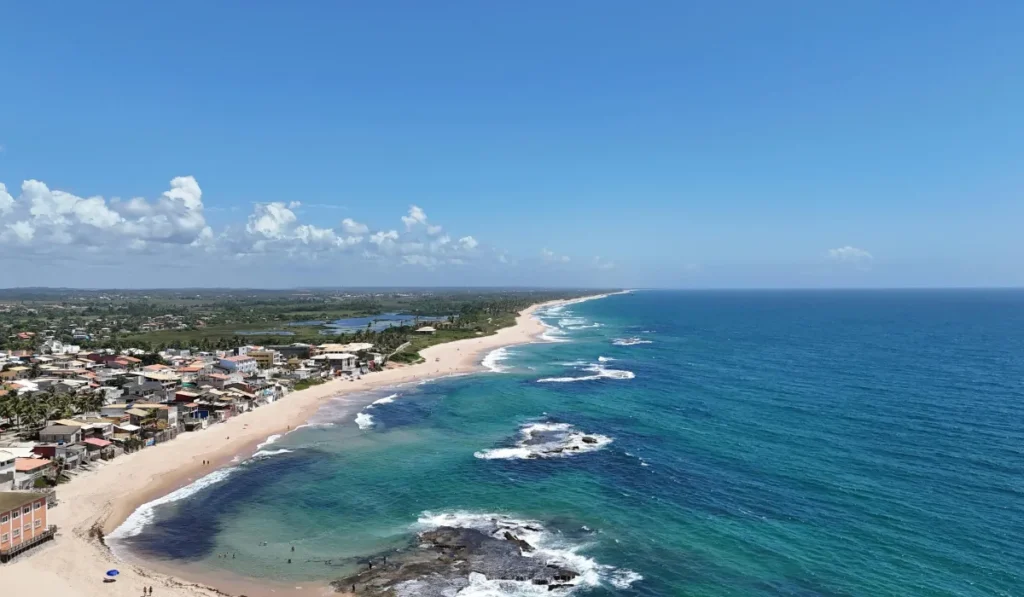
This is the flagship project of national tourism. It encompasses world-famous beaches like El Sunzal, El Tunco, and El Zonte. Investment here is a priority, with opportunities in hotels, restaurants, surf schools, and commerce geared towards young, sporty visitors. Surf City acts as a “hook” to showcase the country.
San Salvador and its Metropolitan Area
The country’s economic center requires infrastructure for business and MICE tourism (Meetings, Incentives, Conferences, Exhibitions), as well as hotels catering to executives. The revitalization of the historic center also opens opportunities in hospitality and gastronomy.
Ruta de las Flores (Route of the Flowers)
This route in the Apaneca-Ilamatepeq mountain range includes picturesque towns like Juayúa, Ataco, and Apaneca. It is ideal for investments in rural and experiential tourism: boutique hotels, themed restaurants (like the famous weekend food festivals), craft shops, and coffee tours.
Costa del Sol (Sun Coast)
An extensive beach with calm waters, perfect for family tourism. It features water parks managed by ISTU and is fertile ground for the development of all-inclusive resorts and vacation complexes.
Lake Coatepeque
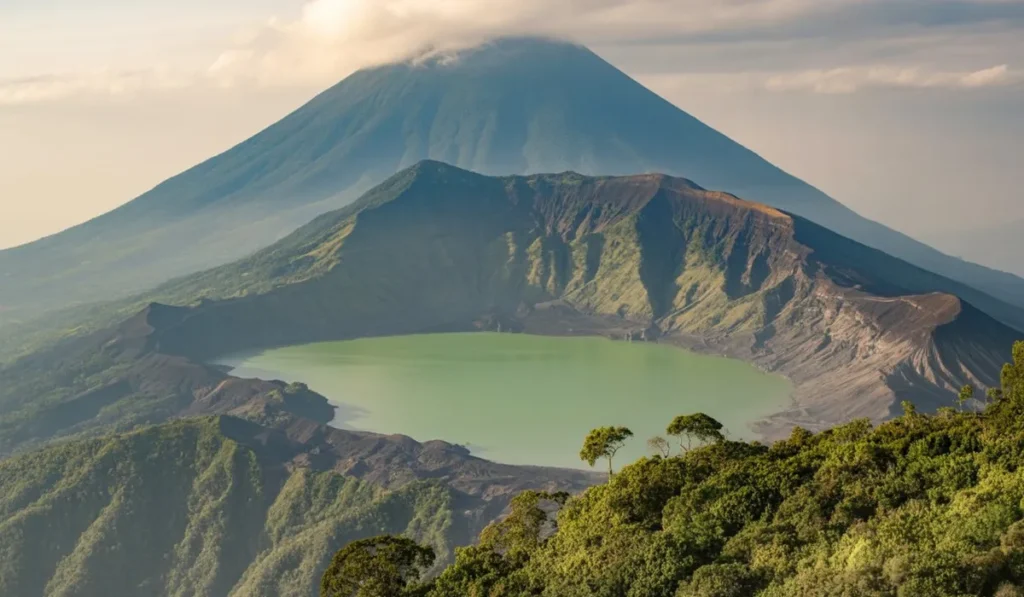
This impressive lake inside a volcanic crater is a luxury and nature destination. It offers exclusive opportunities for glamping developments, high-end villas, restaurants with a view, and water sports operators.
Real Estate Investment Focused on Tourism
Tourism real estate in high-potential areas is showing significant appreciation. Investing in land or properties to convert them into tourist accommodations can offer a dual return: operational income and capital appreciation. It is crucial to differentiate between a residential investment (for living) and a tourism investment (for generating income), as the latter requires analysis of tourist flows, seasonality, and specific services.
The Importance of Digitalization in Tourism Businesses
Online visibility is non-negotiable. The starting point is registering with the National Tourism Registry (Registro Nacional de Turismo – RNT), which is not only a legal requirement but also allows you to appear in the official catalog and access promotion benefits. Furthermore, an SEO-optimized website, an active social media presence, and the ability to accept digital bookings and payments are standards expected by international tourists.
How Carvi Boosts Tourism Businesses in El Salvador
Carvi presents itself as a key technological ally for investors. In a growing market, operational efficiency makes a difference. Carvi offers integrated management solutions (PMS) that simplify reservations, billing, and inventory control for hotels and tours. Its technology helps businesses optimize prices, reduce overcosts, and offer a superior customer experience, becoming a tangible competitive advantage for entrepreneurs looking to scale with agility.
Legal Requirements for Investing in Tourism in El Salvador
The process is clear and comes with powerful incentives:
- Company Registration: Can be done as an individual merchant or a corporation, with online and in-person procedures available.
- RNT Registration: Mandatory for tourism businesses and managed through the Salvadoran Tourism Corporation (CORSATUR).
- National Tourism Interest Project: For investments over USD 25,000, this qualification can be requested from the Ministry of Tourism (MITUR), granting access to tax incentives such as:
- Income Tax exemption for 10 years.
- Exemption from import duties for goods for the project.
- Partial exemption from municipal taxes for 5 years.
- Framework for Foreign Investment: Very favorable, with equal conditions compared to local investors and freedom to repatriate profits.
How Much Capital is Needed to Invest in Tourism?
The range is wide:
- Medium-Low Investment (USD 25,000 – USD 100,000): Enough for a small boutique hotel, a themed restaurant, or purchasing vehicles to operate adventure tours. This is the minimum threshold to qualify for tax incentives as a National Tourism Interest Project.
- Medium-High Investment (USD 100,000 – USD 1 million): Allows for the development of a medium-sized hotel, a glamping complex, or a high-end restaurant in a prime location.
- High Investment (over USD 1 million): Aimed at resorts, international chain hotels, or mixed-use tourism real estate developments. The country’s portfolio of strategic projects is valued at USD 1,000 million, showing the scale of opportunities.
Risks and Challenges When Investing in Tourism in El Salvador
Like any investment, it involves challenges that must be managed:
- Seasonality: The high season (November-April) concentrates a large part of the demand. A solid business plan must include strategies to attract customers in the low season (e.g., promotions for the local market or business tourism).
- Operational Management: Finding and retaining qualified talent in customer service is key to competing with international standards.
- Growing Competition: The country’s success attracts more investors. Differentiation through an authentic, sustainable, and high-quality experience will be the decisive factor.
Key Tips for Investing in Tourism Successfully
- Analyze the Local Market: Visit the destination, talk to business owners, and consult at the Tourist Assistance Centers (Centros de Atención Turística – CAT). There are 6 CATs in the country providing free technical assistance.
- Choose the Location Wisely: Investing in a surf beach is not the same as investing in a mountain town. Align your value proposition with the profile of the tourist visiting that area.
- Leverage Technology and Allies: From management systems like Carvi to a strong digital strategy, technology optimizes costs and improves the experience. Using digital tools is no longer an option but a necessity to be competitive.
- Focus on the Experience, Not Just the Service: The modern tourist seeks stories, connection, and authenticity. Design your business to offer that.
Future Opportunities for Tourism in El Salvador
The future is promising and heading towards sustainability and digitalization. Projects like the expansion of Surf City and the qualification of new National Tourism Interest Projects will continue to energize the sector. Global trends like regenerative tourism, remote work (digital nomads), and wellness experiences find an ideal setting for development in El Salvador. The sector’s projection points towards the consolidation of El Salvador as a niche destination, recognized for surf, culture, and nature, attracting higher-spending, longer-stay tourism.
If you’re evaluating tourism ventures in El Salvador, consider not only the attractions and infrastructure but also the experiences you deliver. Mobility services like Carvi empower visitors to explore independently, leading to better reviews, longer stays, and higher returns.
🔹 Discover how Carvi can boost your tourism investment
Conclusion: Investing in Tourism in El Salvador with a Vision for the Future
Investing in tourism in El Salvador today means betting on a sector in the ascending phase of its growth curve. The country combines tangible advantages—record growth, tax incentives, and security—with enormous untapped potential in its beaches, mountains, and cities. The key to success lies in meticulous planning, leveraging digital tools, and a genuine commitment to offering memorable experiences. For visionary investors and entrepreneurs, El Salvador is not just a tourist destination, it is an investment destination with an exceptional window of opportunity.
Share this content: