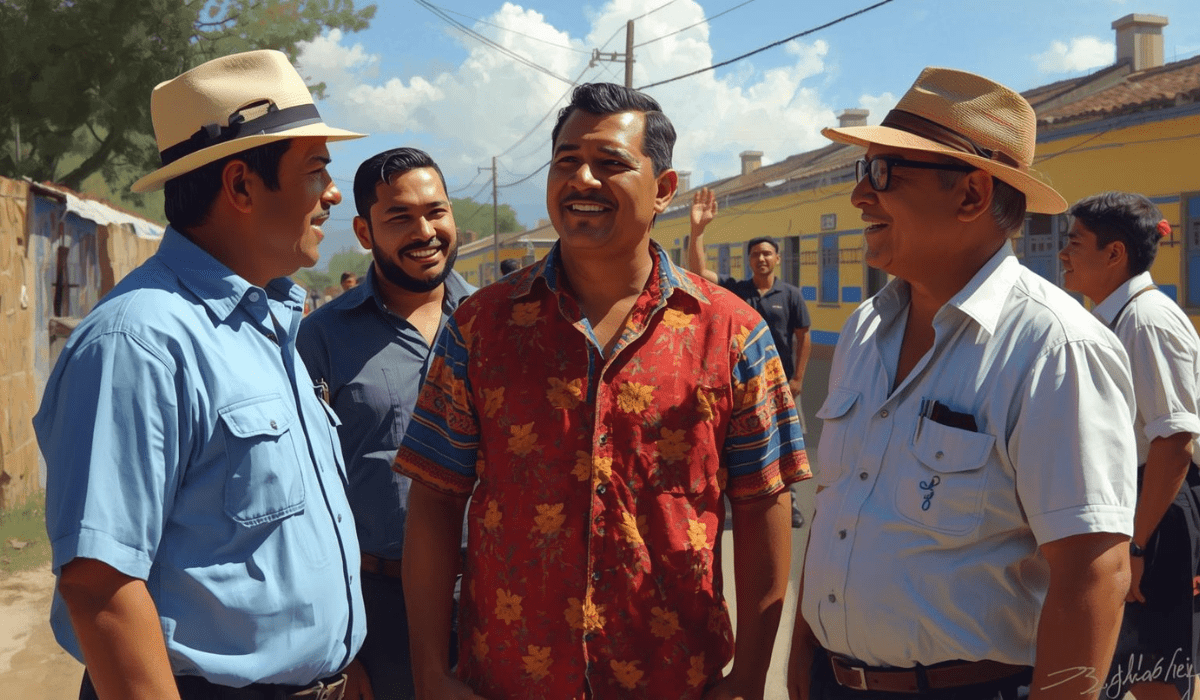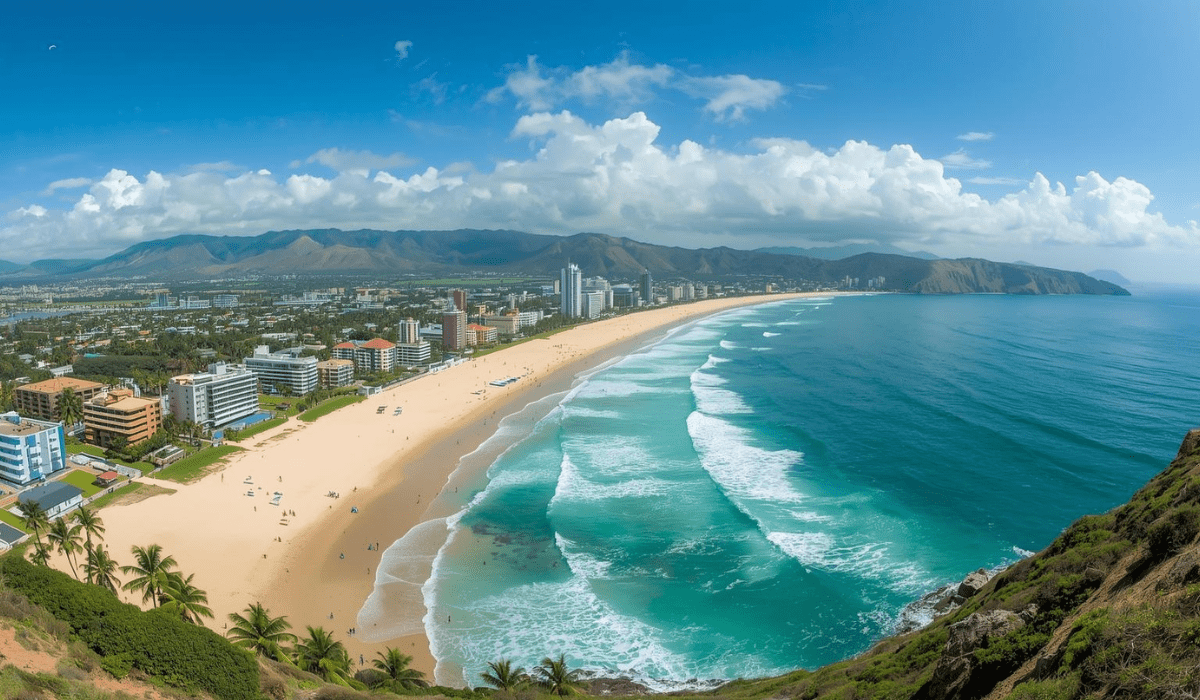
- Why El Salvador? The Macro Context of an Emerging Tourism Powerhouse
- Concrete Opportunities for Sustainable Tourism Investment
- The Perfect Framework: Incentives and Support for the Investor
- Success Stories and Best Practices in Sustainability
- Practical Steps to Materialize Your Investment
- Conclusion: Invest in El Salvador's Green Future
Investment in sustainable tourism has become the most strategic and fastest-growing opportunity in El Salvador. With a model that combines economic profitability, environmental preservation, and social benefit, the country is attracting smart capital to transformative projects. If you are looking for a destination with legal security, clear incentives, and booming tourism demand, this article details why El Salvador is the answer for 2026.
Why El Salvador? The Macro Context of an Emerging Tourism Powerhouse
The country has laid the foundations for solid, long-term tourism growth. This new business climate combines political stability, institutional modernization, and a legal framework favorable to foreign capital.
- Sustained Growth: The sector records constant growth, with 3.9 million international visitors received in 2024, representing a 17% growth compared to 2023.
- International Appeal: The promotion strategy has diversified source markets, attracting travelers from North America and Europe, with an average daily expenditure of approximately $140 dollars.
- Investor Confidence: The environment of physical and legal security has eliminated one of the main historical barriers. This is reflected in a record increase in Foreign Direct Investment (FDI), which grew by 118% in the first quarter of 2025.
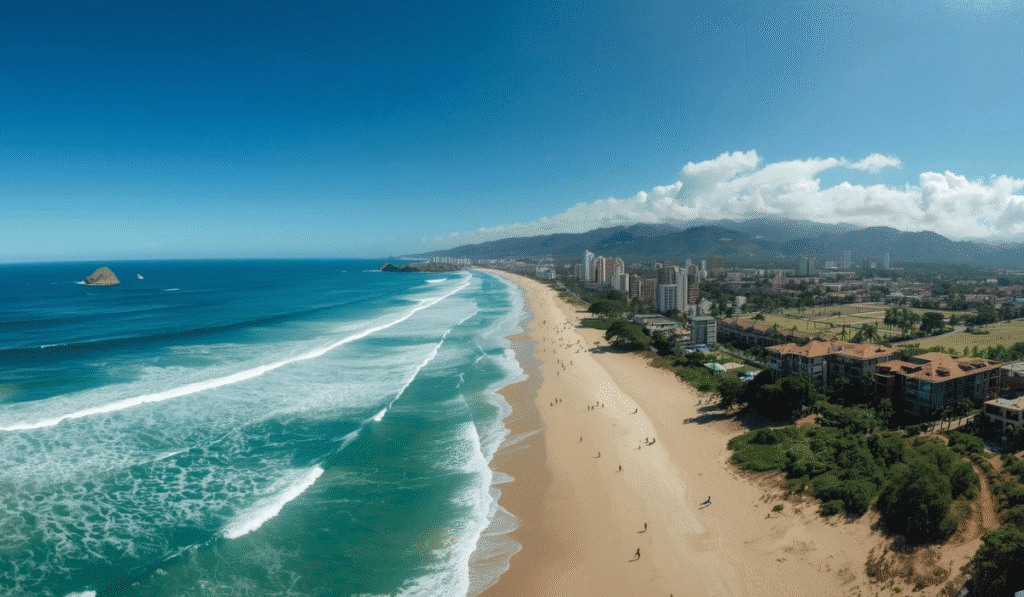
Concrete Opportunities for Sustainable Tourism Investment
El Salvador’s tourism strategy is diverse and goes beyond sun and beach. These are the areas with the highest potential for sustainable growth.
1. Surf City and Responsible Coastal Tourism
Surf City is the flagship project. With over 300 km of coastline and world-class waves, it attracts 70% of the tourists visiting the country. The opportunity lies not only in hostels and surf schools but also in developing complementary offerings for wellness, local gastronomy, and environmental sanitation projects supported by organizations like the Inter-American Development Bank (IDB).
2. Ecotourism and Adventure on the Ruta de las Flores and in National Parks
Nature tourism is a fundamental pillar. Destinations like the Ruta de Las Flores, the Montecristo Cloud Forest, and El Imposible National Park offer unique experiences for hiking, bird watching, and connection with high-altitude coffee plantations. There is a growing demand for low-impact environmental accommodations (ecolodges), specialized tour operators, and gastronomic experiences with local products.
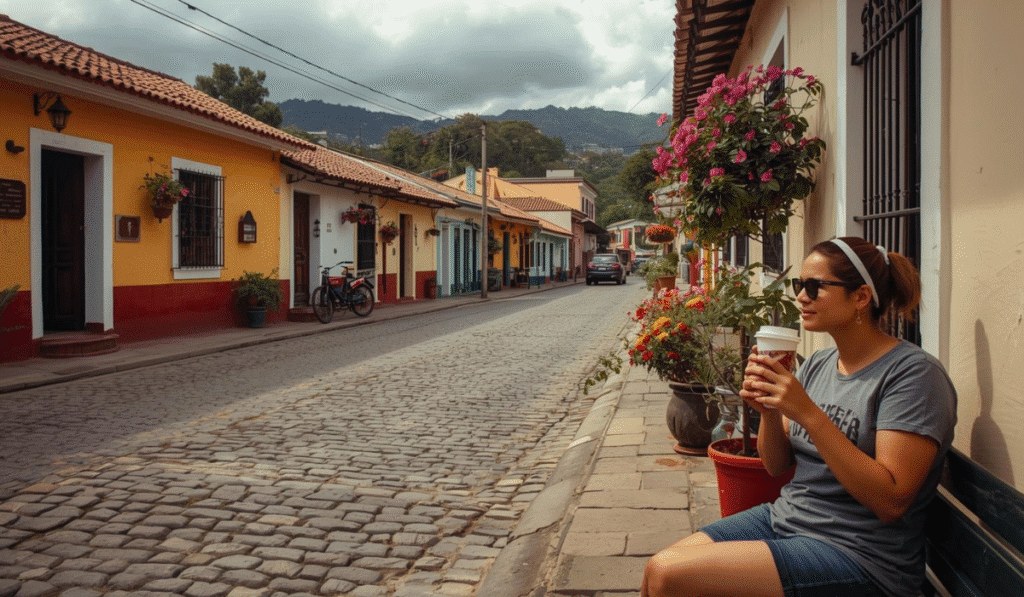
3. Regenerative Tourism: The New Frontier
El Salvador is moving towards regenerative tourism, a concept that goes beyond sustainability by actively seeking to restore ecosystems and benefit local communities. This approach is especially attractive to Millennials and Generation Z, who represent 60% of the global population and are deeply interested in travel with a tangible positive impact. Investing in this model allows for differentiation and captures a segment of conscious travelers willing to pay more for authentic experiences.
4. Community-Based and Immersive Tourism
This model ensures that local communities benefit directly from tourism development. In rural municipalities, visitors seek to live with families, participate in craft workshops, and taste locally produced organic food. Investing in this segment strengthens the tourism value chain and ensures a more equitable distribution of income.
Beyond traditional investments like eco-lodges and renewable infrastructure, digital service platforms are emerging as profitable opportunities in El Salvador. A prime example is Carvi, often described as the “Airbnb for cars.” Carvi allows tourists and residents to book vehicles online with no paperwork or deposits and includes insurance, providing flexible mobility in key tourist areas. Platforms like Carvi complement sustainable tourism projects, generating economic opportunities for investors and local property owners.
👉 Discover how Carvi makes sustainable travel easier and creates new investment opportunities — visit carvi
The Perfect Framework: Incentives and Support for the Investor
A secure investment ecosystem with clear incentives is fundamental.
- Tourism Investment Guide: El Salvador is the first Central American country to have a Tourism Investment Guide, “Tourism Doing Business – Investing in El Salvador”, developed by CAF and UN Tourism. This tool positions the country as a key destination for sustainable investments and provides investors with an in-depth analysis of the business climate.
- Tax Incentives and Agility: The legal framework includes pro-investment laws such as the Legal Stability Law for Investments and the Tax Incentives Law. Furthermore, a company can be incorporated in just one hour, demonstrating unparalleled administrative agility.
- Diplomatic Support: The network of 103 Salvadoran embassies, consulates, and missions worldwide has among its main missions promoting the country as a tourism and investment hub, providing interested parties with crucial support and information.
Success Stories and Best Practices in Sustainability
There are concrete examples within El Salvador that demonstrate the viability and benefits of operating under a sustainable model.
El Árbol de Fuego Eco-Hotel is a case study. Among its notable practices are:
- Waste Management: They recycled a total of 598.72 kg of materials between 2022 and 2024.
- Cutting-Edge Technology: Installation of a Hydraloop system that recycles 70% of the water used in the laundry, with minimal energy consumption.
- Renewable Energy: Use of solar panels to generate energy and solar water heaters, avoiding the emission of 11.09 tons of CO2 per year.
For its part, Hotel Roca Sunzal has implemented key initiatives such as:
- Commitment to Biodiversity: They conduct regular beach cleanups and offer educational tours on the conservation of local fauna and flora.
- Circular Economy: Used cooking oil from the kitchen is donated to companies that transform it into other goods, such as dog food.
- Plastic Reduction: Replacement of plastic bottles with reusable glass alternatives in all its operations.

💡 Did You Know – Digital Mobility for Tourists
Carvi allows tourists and residents to rent cars entirely online, without paperwork and with insurance included. It’s a practical example of how digital services can boost sustainable tourism and generate additional income for local property owners
👉 Book your car with Carvi and explore El Salvador easily and sustainably — carvi
Practical Steps to Materialize Your Investment
- Study and Definition: Use the “Tourism Doing Business – Investing in El Salvador” Guide and participate in events like the El Salvador Travel Market to identify the niche and destination that best suits your capital.
- Legal Structuring: Rely on local lawyers for the swift incorporation of your company and access to the corresponding tax incentives.
- Sustainability Plan: Develop a plan with measurable actions for the management of energy, water, waste, and community relations, taking as a reference the best practices of leading hotels in the country.
- Financing: Explore co-financing options with international institutions that support sustainability projects in the region.
Conclusion: Invest in El Salvador’s Green Future
Sustainable tourism investment in El Salvador has ceased to be an option and has become the smartest strategy. The country offers an expanding market, a facilitating government, unique biodiversity, and a modern regulatory framework. Investors who arrive now will not only be part of an economic miracle but will also be architects of a development model that benefits business, communities, and the planet.
The time to act is 2026. El Salvador is ready.
Disclaimer: This article is based on public data and official reports. Investors are recommended to conduct due diligence and consult with local experts before making any financial decisions.
Share this content: