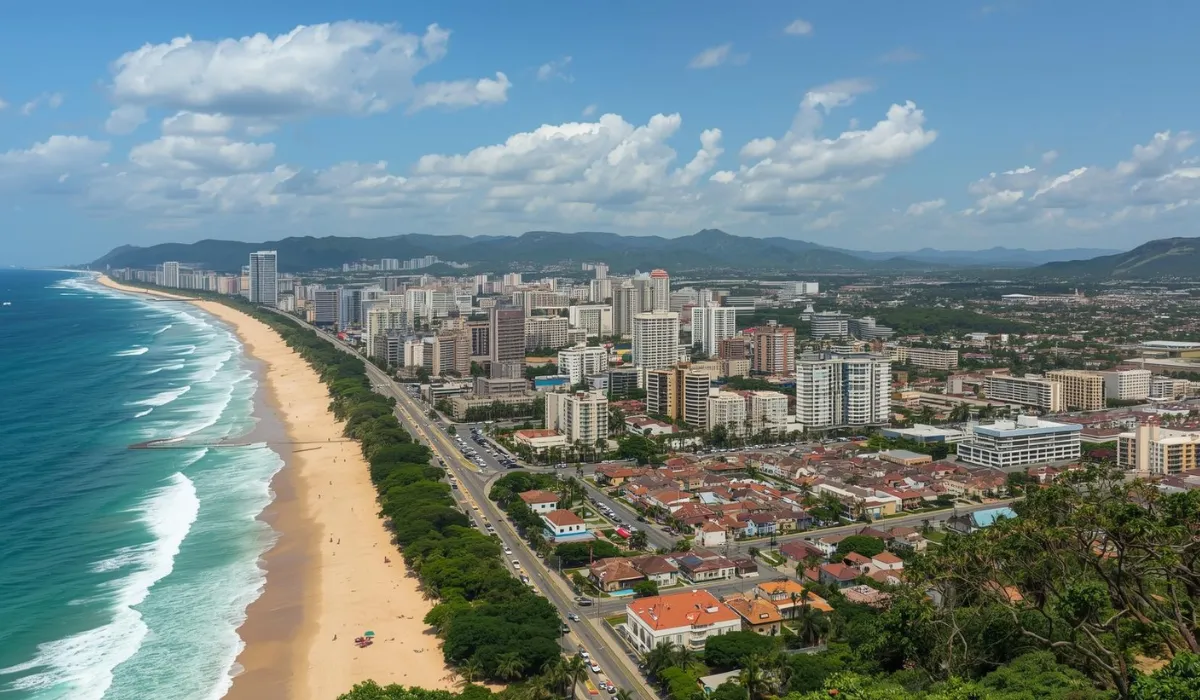
Business opportunities in El Salvador in 2026 are growing like never before, driven by a booming tourism sector, the digitalization of services, and an increasingly attractive environment for entrepreneurs and investors. Today, the country offers favorable conditions for developing profitable businesses in both traditional and innovative sectors. In this guide, you’ll discover the markets with the greatest potential, real-world examples of successful business models, and practical strategies to capitalize on this moment and launch your business with a forward-thinking approach..
Macroeconomic Context and Key Considerations
Understanding the general environment is essential for successful entrepreneurship. According to projections from the Economic Commission for Latin America and the Caribbean (ECLAC), Central America would grow around 3% in 2026. For El Salvador, this represents both a challenge and an opportunity. Two critical factors are:
- Remittances: They remain a fundamental pillar (nearly 25% of GDP), but a new 1% tax in the U.S. on cash remittances starting January 2026 could slightly reduce available household income.
- Global Costs: A fall in international prices for oil and some foodstuffs is projected for 2026, which can reduce operating costs for businesses dependent on these inputs.
Sectors with High Growth Potential
1. Tourism and Hospitality: An Expanding Engine
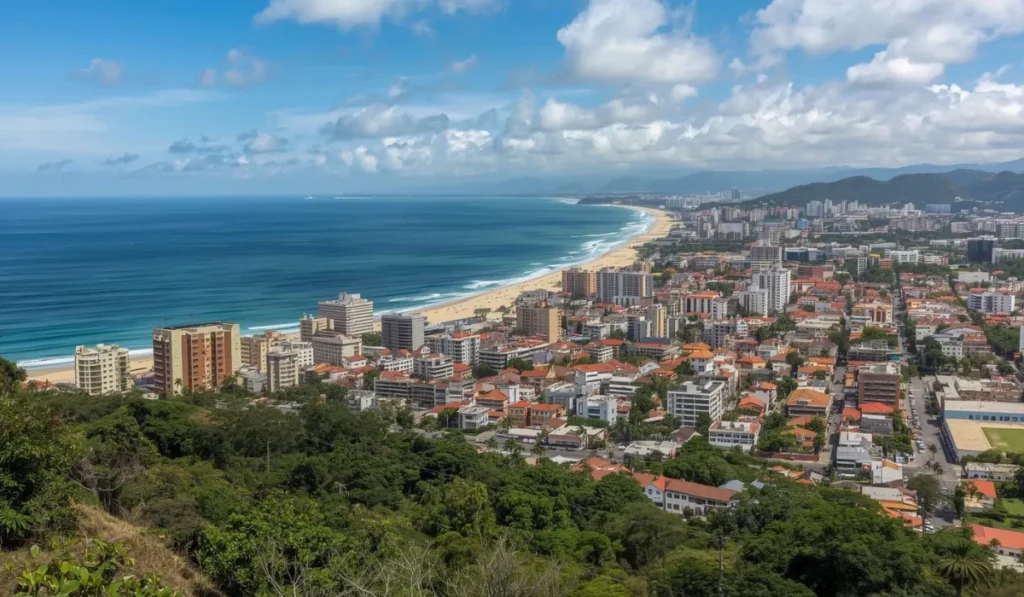
Tourism is the most dynamic sector of the Salvadoran economy. In 2025, the country exceeded 4 million international visitors and projects growth of up to 6%. For 2026, El Salvador will be the global host of the UN World Tourism Day, a high-profile event that will place the country at the center of the global industry. Opportunities go beyond large hotels:
- Experience and Sustainable Tourism: The government, through CORSATUR and ISTU, will execute projects with a budget of over $33 million in 2026. These include the modernization of El Boquerón National Park (Phase 2), improvements to the Chaguantique Protected Natural Area, and the expansion of the “Family Friendly Seal” to all ISTU parks.
- Specialized Segments: There is growing demand in sports tourism (surf, golf), gastronomy, weddings, and religious tourism.
- Innovative Accommodation: There is a solid niche for boutique hotels, eco-lodges, modern hostels, and the management of properties for vacation rentals.
2. Technology, Digitization, and the Collaborative Economy

The digitization of the economy creates transversal opportunities. The theme for World Tourism Day 2026, “Digital Agenda and Artificial Intelligence to redesign tourism”, reflects the national priority in this area.
- B2B Digital Services: High demand for web development, e-commerce, digital marketing, process automation, and business software (SaaS) for SMEs.
- Collaborative Economy: Models like Carvi (the “Airbnb for cars“) demonstrate how to transform underutilized assets into income sources, creating an ecosystem around complementary services (cleaning, maintenance, insurance).
- Digital Content and Education: Continuous training in digital skills, personal finance, or languages through online platforms is a growing market.
3. Renewable Energy and Sustainability
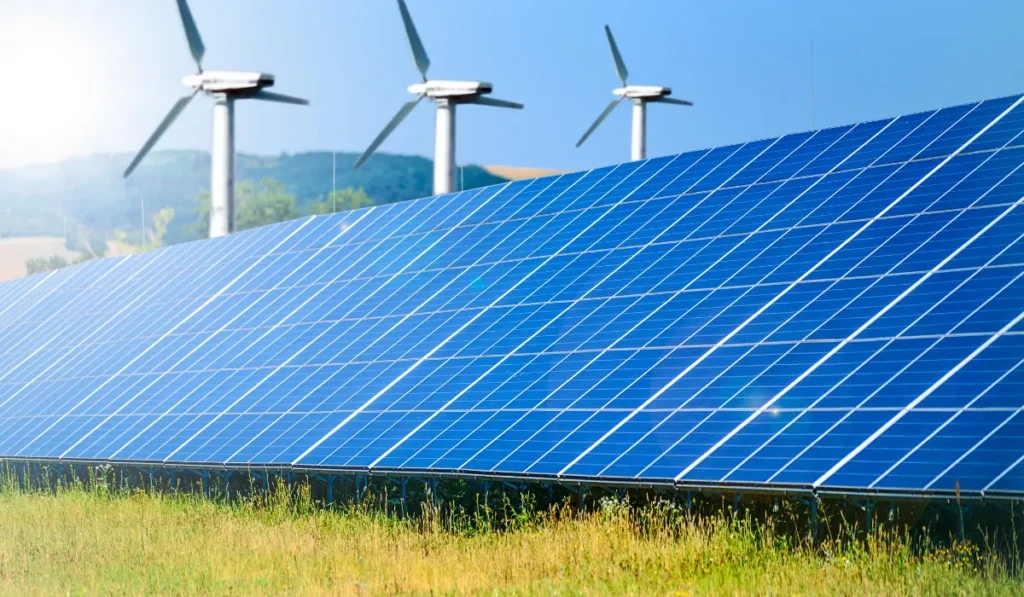
El Salvador is in the midst of an energy transition. Rising conventional energy costs (30% in April 2024) and corporate awareness of sustainability (ESG criteria) are driving this market.
- Distributed Generation and Storage: This is the fastest-growing segment. Companies like VEKPOWER report investment payback times between 2.8 and 5 years for solar systems with batteries, allowing homes and businesses to achieve savings of up to 95% and greater independence.
- Large-Scale Projects: Companies like AES El Salvador are leading with continuous investments. In 2026, it will commission a new 55 MW solar plant in Santa Ana, which will avoid the emission of 119,013 tons of CO₂ annually.
- Business Opportunities: Installation, maintenance, energy consulting, and the introduction of emerging technologies (solar tiles, flexible panels) for residential, commercial, and industrial projects.
4. Agribusiness and Value-Added Export Products
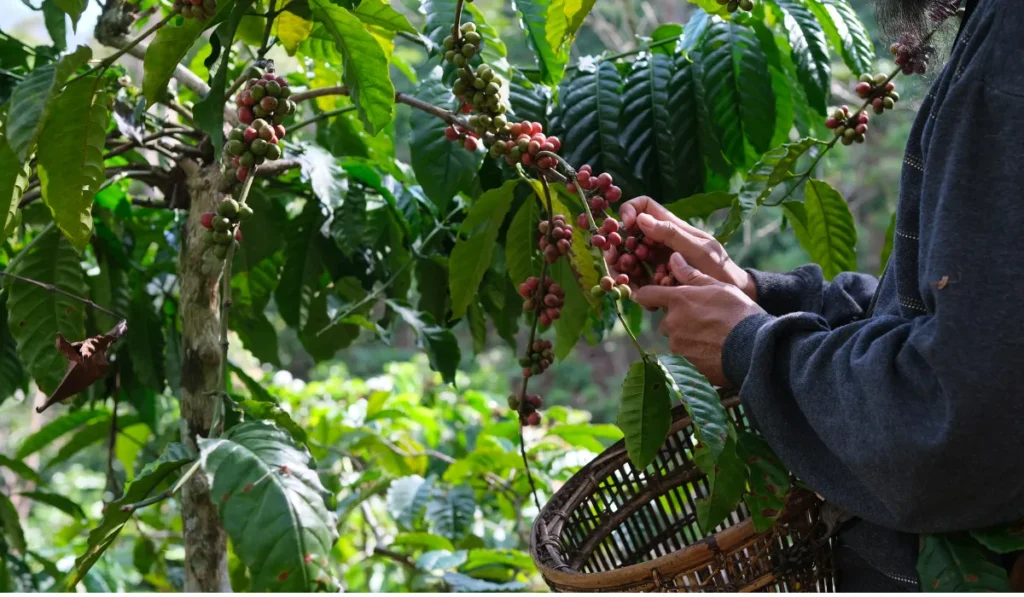
Agriculture remains strategic, with opportunities that go beyond primary production.
- Specialty Coffee: The country remains a benchmark. A key event is the Producer Roaster Forum (PRF) El Salvador 2026, which will bring together over 4,000 sector professionals in March, offering an unparalleled platform for networking, exposure, and closing deals.
- Fine Cocoa and Organic Products: International demand is growing for products with origin and sustainability certifications.
- Risk Analysis: Sectors like sugarcane face challenges in 2026 due to irregular climate and low international prices, underscoring the importance of diversifying and adding value.
5. Real Estate and Infrastructure
Tourism growth and foreign investment are driving demand for properties.
- Attractive Segments: Homes for tourist rental (supported by the goal of 4.2 million visitors in 2026), residential developments in growth areas, and commercial or office projects.
- Infrastructure Investment: Government projects in logistical, port, and urban revitalization infrastructure (like the Plan for the Historic Center of San Salvador) increase confidence and the value of adjacent properties.
Comparative Analysis of Key Sectors
| Sector | Main Opportunity | Key Drivers / 2026 Data | Considerations / Risks |
|---|---|---|---|
| Tourism | Personalized experiences, boutique accommodation, specialized operators. | Host of UN World Tourism Day. Budget of $33M+ for projects. Target: 4.2M visitors. | Seasonality. Requires high service quality and differentiation. |
| Renewable Energy | Distributed generation (solar + storage) for homes and SMEs. | Investment payback in 2.8-5 years. New AES 55 MW plant operational. | Moderate-high initial investment. Requires specialized technical knowledge. |
| Agribusiness | Specialty coffee and cocoa, processed products, export brands. | Host country for PRF 2026, the main coffee forum. | Climate vulnerability. Requires certifications and access to niche markets. |
| Digital Economy | B2B services (software, marketing), collaborative platforms, online education. | Official 2026 tourism theme focused on AI and digitization. | Global competition. Need for constant innovation and updating. |
Practical Recommendations for Entrepreneurship in 2026
- Leverage the Macro Context: The projected drop in oil and some food prices can reduce logistics and operating costs. Plan your strategic input purchases accordingly.
- Link Your Business to Driving Sectors: Can your service, food, or commerce venture meet the growing demand from international tourists or the technology industry?
- Seek Alliances and Participate in Key Events: Events like World Tourism Day and PRF 2026 are unique platforms for networking, learning, and promotion.
- Incorporating Sustainability is Not Optional: Whether through energy efficiency, waste management, or local sourcing, sustainability is a decisive competitive factor for consumers and businesses.
- Start with an MVP and Scale Digitally: Test your idea with a Minimum Viable Product, use low-cost digital tools for marketing and sales, and constantly listen to the market to adapt.
Conclusion: A Strategic Moment to Act
El Salvador in 2026 presents a diverse and real range of opportunities, particularly in sectors where digital transformation and sustainability intersect with growing traditional markets like tourism. Although there are regional macroeconomic challenges, the specific public initiatives, the hosting of global events, and the dynamism of the private sector create a unique moment to invest and undertake business. The key to success will lie in meticulous planning, a deep understanding of the local market, and the ability to offer innovative solutions that add authentic value.
To delve deeper into the analysis of a specific sector or develop a detailed business plan, do not hesitate to ask.
Share this content: